
Light Therapies Guide: Illuminate Your Wellness in 2026
Imagine unlocking a brighter, healthier version of yourself simply by harnessing the power of light.
Light therapies are no longer fringe concepts reserved for clinical settings or seasonal mood support. They’ve become an expanding part of modern wellness—used to influence everything from sleep and skin health to pain, inflammation, and nervous system regulation. As research continues to evolve, light-based therapies are increasingly understood as biological tools, not trends.
In this guide, we explore how light therapies are shaping health and wellness as we move into 2026—grounded in emerging science rather than hype.
You’ll discover:
- How light therapies work at a biological level
- The differences between red, blue, ultraviolet, and near-infrared light modalities
- How photobiomodulation fits into the broader landscape of light-based treatments
- What science says about safety, dosage, and effectiveness
- Where innovation in light therapies is heading next
Whether you’re new to light-based wellness or looking to deepen your understanding, this guide offers a clear, evidence-informed overview of how light therapies are being used today—and how they’re likely to evolve in the near future.
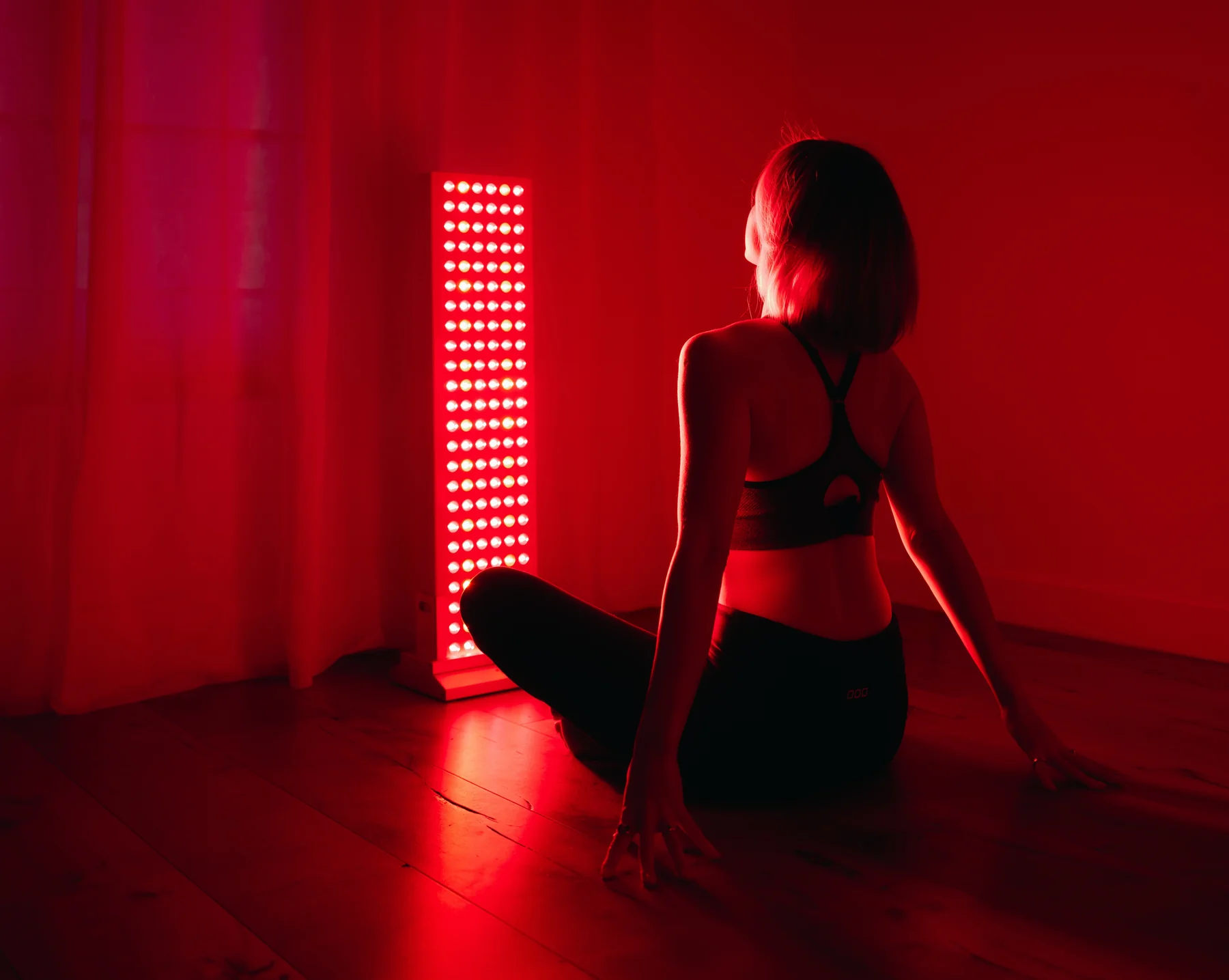
A Quick Overview of Light Therapy Categories
1. Bright Light Therapy (Visible Light for Circadian Health)
Bright light therapy typically uses intense visible light (often around 10,000 lux) to help regulate circadian rhythms and treat mood disorders like Seasonal Affective Disorder (SAD) and related sleep-wake disturbances.
This form does not involve laser or LED wavelengths like those used for tissue repair — it’s about intensity and timing of broad-spectrum visible light.
Common uses
- Seasonal depression (SAD)
- Circadian rhythm sleep disorders
- Jet lag and shift work adjustment
This category of light therapy is usually administered in a clinical or home-based setting using calibrated lamps.
2. Blue Light and UV Phototherapy (Dermatological Use)
Blue light therapy and UV phototherapy are used predominantly for skin conditions.
- Blue light (around 415–455 nm) targets acne-causing bacteria and helps reduce oil production.
- UV light therapy (narrowband UVB, UVA) is used under medical supervision for conditions such as psoriasis, eczema, and cutaneous lymphomas.
These are typically clinical therapies rather than general wellness tools. Treatment protocols, exposures, and safety measures are determined by trained professionals because UV light has known risks (including photoaging and DNA damage if misused).
3. Photobiomodulation (Red and Near-Infrared Light)
Often what most people mean when they think of “red light therapy,” photobiomodulation (PBM) uses specific red (visible) and near-infrared wavelengths (commonly ~600–850 nm, sometimes slightly higher) delivered at low energy density to stimulate cellular processes.
PBM is the category under which the red light and targeted approaches described on this site fall — including:
- Reducing inflammation
- Supporting pain relief and tissue repair
- Modulating nervous system signaling
- Potentially enhancing healing and recovery
Photobiomodulation also overlaps with clinical low-level laser therapy (LLLT). The mechanism involves interaction with chromophores (like cytochrome c oxidase), which modulate mitochondrial function and cell signaling pathways.
Comparing Light Therapy Mechanisms
Each form of light therapy uses different wavelengths and mechanisms, but here’s how they generally compare:
Bright light therapy
- Uses high-intensity visible light
- Affects retinal photoreceptors
- Regulates mood and circadian biology
Blue/UV phototherapy
- Uses shorter wavelengths
- Targets microbes or alters immune-mediated conditions
- Often clinical and prescription-based
Photobiomodulation (red/NIR)
- Uses specific red and near-infrared wavelengths
- Influences mitochondria and cell signaling
- Used for tissue and systemic support (e.g., pain, healing)
Because the mechanisms differ, light therapy isn’t one monolithic thing — a careful understanding of intent and biological target is essential.
How Red Light Fits Into the Light Therapy Landscape
When talking about light therapies broadly, red light therapy occupies a distinct niche — one that interacts at a different scale than mood/light regulation or dermatological UV approaches.
Photobiomodulation is non-thermal and non-ionizing, meaning it does not heat tissue like infrared saunas or damage DNA like UV light can if misused.
Because of this:
- Red light therapies are often used for pain relief, inflammation modulation, and cellular support.
- They require attention to dose thresholds and delivery parameters (as discussed in articles like Beyond the Panel).
- They are distinct from broad “sunlight therapy” or clinical UV prescriptions.
Targeted vs Panel Red Light Therapy: Why Precision Changes the Response
Medical Uses and Evidence for Light Therapies
Light therapies have been studied across many clinical contexts:
- Skin conditions: UV and LED phototherapy are effective for psoriasis, eczema, and related diseases.
- Seasonal and circadian disorders: Bright light therapy improves mood and wake-sleep cycles.
- Pain and tissue healing: Photobiomodulation has shown pain reduction and healing benefits in randomized and clinical studies.
- Cellular modulation: PBM influences mitochondrial function and ATP production, which underpin tissue and systemic responses.
Each application requires its own protocols and dosing considerations — what works for skin psoriasis differs completely from what supports nervous system regulation.
Safety and Practical Considerations
Light therapies are generally considered safe when applied correctly, but the type of light matters:
- UV light can carry risks (e.g., skin aging, cancer risk with overuse) and is usually administered under medical guidance.
- Bright light for mood disorders is non-invasive but should be calibrated, especially when retinal exposure is a factor. (Source)
- Photobiomodulation requires attention to wavelength, exposure time, and biological targets — too much or poorly delivered light may not help and can be inefficient or counterproductive.
Because “light therapy” covers diverse interventions, consulting healthcare professionals before applying clinical-level protocols is advised.
Can You Overuse Red Light Therapy? Why Dosage Matters for the Nervous System
Frequently Asked Questions About Light Therapies
What is the difference between phototherapy and photobiomodulation?
Phototherapy often refers to clinical UV or bright light exposures for skin/mood conditions, while photobiomodulation refers to low-level light (red/near-infrared) used for cellular modulation and tissue effects.
Are all light therapy devices the same?
No — devices vary in wavelength, intensity, and purpose. Red/NIR devices have very different protocols than bright light lamps or UV phototherapy systems.
Can light therapy help pain or inflammation?
Emerging evidence, particularly in PBM research, supports pain and inflammation modulation with specific light therapies, though parameters are crucial. (Source)
Conclusion: Light Therapies in Context
“Light therapies” is a broad term that includes several scientifically supported interventions, each with unique mechanisms and appropriate uses.
Understanding the differences between bright light, blue/UV phototherapy, and red/NIR photobiomodulation is essential for choosing the right modality for a particular biological target. Applied with care and context, light therapies can be valuable tools — but one size does not fit all.
This nuanced perspective aligns with the precision and safety-oriented approach that defines how red light therapy — including targeted protocols — should be understood and used within the broader landscape of light-based therapies.
Restore Light Therapy: Precision Red Light Solutions
Restore Light Therapy delivers targeted red light therapies designed for nerve sensitivity and chronic discomfort. Their precision devices, paired with a companion app, empower users to follow science-backed, acupuncture-inspired protocols tailored to individual needs.
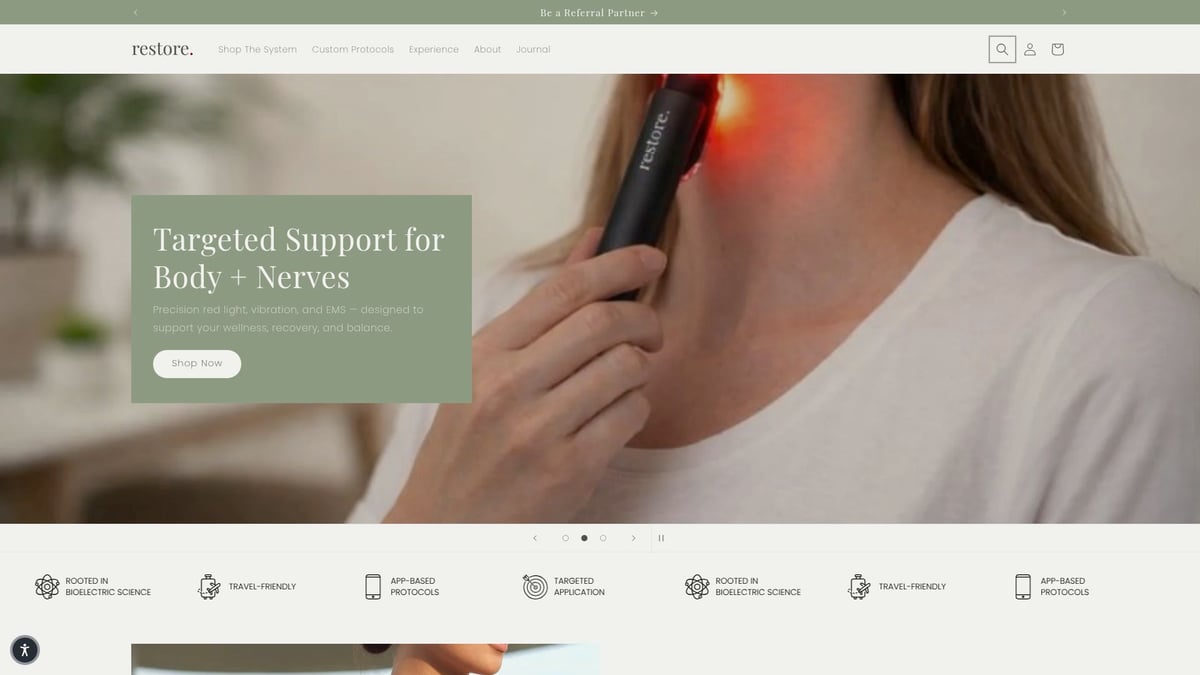
Sessions last under 10 minutes daily and combine red light, vibration, and EMS for a comprehensive approach. Personalized care plans ensure effective dosing, particularly for those with heightened sensitivity. Lightweight, portable designs make it easy to integrate these light therapies into daily routines at home or on the go, supporting nerve health and recovery as a non-pharmaceutical option.
You’ve just explored how cutting edge light therapies can elevate your wellness in 2026, from understanding the science to choosing the right modality for your unique needs. If you’re curious about how targeted red light solutions—especially those designed for nerve sensitivity and recovery—can fit into your daily routine, I invite you to take the next step. Restore Light Therapy’s precision devices and customizable, research backed protocols offer you an accessible, non pharmaceutical way to support your health at home or on the go. Ready to see how it works and whether it’s right for you? Find Out More