
Beyond the Panel: What Red Light Panels Are Being Replaced With
Red light panels have become the most recognizable form of red light therapy. For many people, a full-body red light panel was their first introduction to photobiomodulation, and these devices played an important role in making light-based therapies widely accessible.
But as red light therapy has expanded beyond general wellness into nervous system support, chronic pain, and long-term daily use, important limitations of the red light panel model have become harder to ignore.
The industry is not abandoning red light panels entirely—but it is moving beyond them.
This shift reflects a deeper understanding of how biological systems respond to light, and why delivery and dosage matter more than power or exposure size.
How Red Light Panels Shaped the Industry
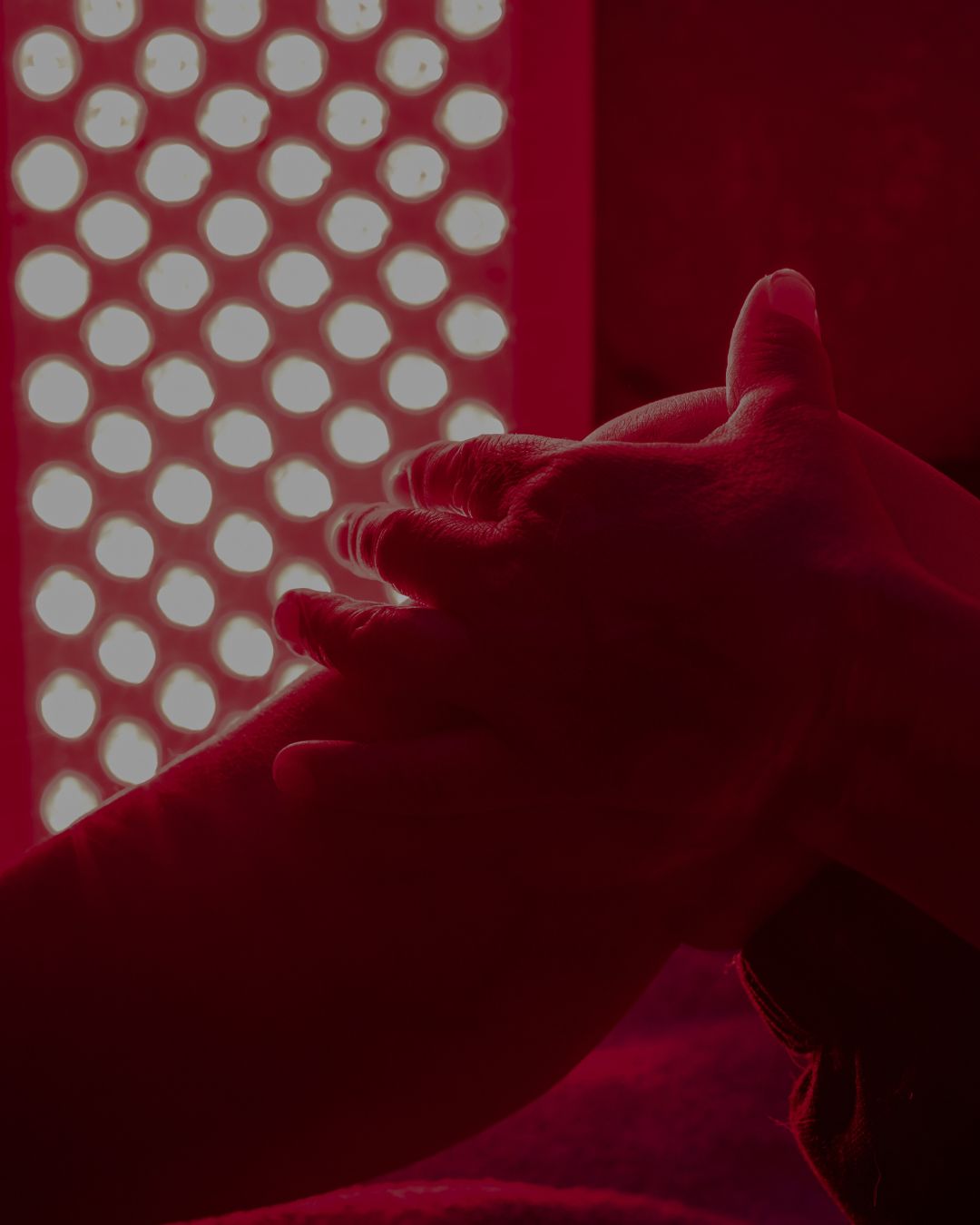
Red light panels gained popularity because they were simple to use and easy to scale. A single device could illuminate large areas of the body, reinforcing the idea that broader exposure and higher output would produce stronger effects.
As red light panels entered the biohacking and performance space, this thinking intensified. Panels became larger and more powerful. Session times increased. Red light panels were frequently stacked with infrared wavelengths, sauna sessions, and other stress-based interventions.
The underlying assumption was straightforward:
more light, more heat, and more stimulation would accelerate results.
But light is not a workout stimulus. It is a biological signal.
Why the Red Light Panel Model Has Limits
Photobiomodulation follows a well-documented biological principle known as the biphasic dose response. This means that red light produces beneficial effects only within a specific dosage range.
- Too little light produces minimal change
- An optimal dose supports cellular and nervous system function
- Too much light reduces benefit and can create harm
With high-output red light panels, it is easy to exceed this optimal window—especially when sessions are long, frequent, or combined with additional heat or infrared exposure.
Research shows that excessive light exposure can:
- Increase oxidative stress instead of reducing it
- Disrupt mitochondrial signaling
- Increase nervous system excitability rather than regulation
In practical terms, you can overdose on red light.
Studies in photobiomodulation have repeatedly shown a biphasic dose–response pattern — sometimes called the Arndt-Schulz curve — where lower light doses stimulate beneficial responses, but higher doses can diminish or even reverse those effects. (Learn more)
Why “Feeling Worse” Isn’t the Only Warning Sign
Some people notice overstimulation quickly when using red light panels—such as headaches, agitation, disrupted sleep, or increased pain. But others do not experience obvious symptoms, even when exposure exceeds optimal dosing.
This is why safety cannot be determined by subjective tolerance alone.
Excessive use of red light panels can quietly:
- Push mitochondria beyond their optimal redox balance
- Increase reactive oxygen species
- Reduce the efficiency red light therapy is intended to support
The absence of discomfort does not mean the dose is appropriate. Over time, cumulative exposure can undermine both safety and effectiveness.
Beyond the Panel: What Red Light Panels Are Being Replaced With
As understanding of dosage biology improves, red light therapy is shifting away from broad, high-output exposure and toward precision-based delivery.
Rather than illuminating large areas indiscriminately, newer approaches focus on:
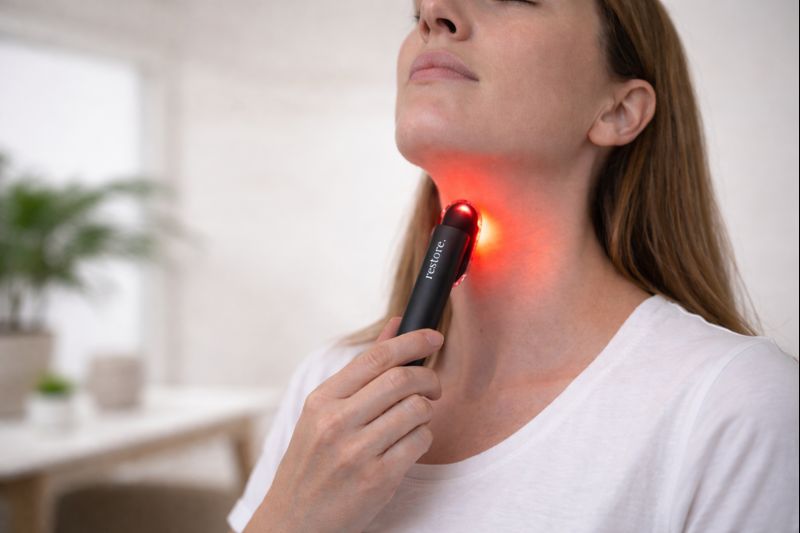
- Targeted placement at neurologically relevant points
- Short, protocol-enforced, controlled exposure times
- Consistent dosing without escalation
This reduces total light exposure while improving signal clarity.
Targeted delivery does not mean weaker therapy. It means more relevant communication with the nervous system using less total energy.
Learn more: Targeted vs Panel Red Light Therapy: Why Precision Changes the Response
Why the Nervous System Changes Everything
Red light panels were originally popularized for muscle recovery and general wellness. Nervous system support is different.
The nervous system prioritizes:
- Predictable input
- Clear signals
- Safety
Broad, high-intensity exposure can feel overwhelming to sensitive or overloaded nervous systems. This is not a flaw in the individual—it is how neural systems maintain regulation.
For these populations, precision and restraint are not preferences; they are requirements.
Learn More:Why People With Sensitive Nervous Systems Tolerate Targeted Red Light Better

Why Escalation Should Never Be the Goal
One of the most important corrections happening in red light therapy is the rejection of escalation-based thinking.
With red light panels, it is common to assume that progress requires:
- Higher output
- Longer sessions
- Increased frequency
This assumption is biologically incorrect.
With photobiomodulation, increasing dose should never be the goal. The goal is to remain within the optimal range of the biphasic dose response—consistently and safely.
Precision-based approaches replace escalation with:
- Stable dosing
- Shifting application points
- Respect for cumulative biological load
Because photobiomodulation follows this biphasic response, increasing dose beyond the optimal range does not accelerate benefit and may reduce efficacy or create inhibitory biological effects—precisely why escalation should never be the goal. (Source)
Learn More: Red Light Dosage at Acupuncture Points: Why Less Light Creates a Stronger Response
Is Broad Exposure Becoming Obsolete?
Red light panels are not disappearing, but their role is changing.
For some applications—such as short-term muscle recovery—broad exposure may still be appropriate. However, for nervous system support, chronic pain, and long-term daily use, the limitations of broad exposure panels are increasingly clear.
The future of red light therapy is not about bigger devices or stronger output. It is about safer signaling.
What This Shift Means for Long-Term Safety and Effectiveness
Moving beyond red light panels reflects a maturation of the field.
Precision-based delivery:
- Reduces cumulative oxidative stress
- Improves nervous system tolerance
- Supports consistent, long-term use
- Aligns with established photobiomodulation science
This is not about doing less for the sake of restraint. It is about delivering light in a way the body can recognize and respond to—without triggering defensive responses.
Frequently Asked Questions
Are red light panels unsafe?
Red light panels are not inherently unsafe, but risk increases when exposure exceeds optimal dosing—especially with long sessions or stacking.
Is targeted red light therapy weaker than panels?
No. Targeted approaches use less light because the signal is more specific, not because it is less effective.
Can red light be used daily?
Yes, when dosage remains consistent and stays within the biphasic response window.
Why does red light sometimes cause overstimulation?
Overstimulation occurs when total exposure exceeds nervous system tolerance or optimal mitochondrial response.
Conclusion
Red light panels helped introduce photobiomodulation to the world. But as the science has matured, so has our understanding of how light should be used.
What is replacing the red light panel model is not a single device—it is a shift in philosophy.
From exposure to communication.
From power to precision.
From escalation to regulation.
Moving beyond the panel is not a trend. It is a return to biology.