
The Real Danger of Red Light Therapy: A 2026 Safety Guide
Red light therapy has earned a reputation as a gentle, non-invasive wellness tool. It’s often described as safe, natural, and supportive—used for everything from pain and inflammation to skin health and nervous system regulation.
So why are so many people searching for the danger of red light therapy?
The concern is understandable. Any therapy that interacts with biology deserves thoughtful use. And while red light therapy is generally safe when applied correctly, there is a real risk when dosage, exposure, or delivery are misunderstood.
The danger of red light therapy isn’t the light itself.
The danger of red light therapy lies in having too much of a good thing.
As we move into 2026, a clearer picture is emerging—one that emphasizes safety, precision, and respect for biological limits rather than intensity or escalation.

Red Light Therapy Is a Biological Signal, Not a Stimulant
Red light therapy works through a process known as photobiomodulation—where specific wavelengths of light interact with cellular components, particularly within mitochondria.
This interaction can:
- Support cellular energy production
- Influence inflammation pathways
- Modulate nervous system signaling
But unlike medications that accumulate chemically, red light acts as a signal. And like all biological signals, it operates within a defined response range.
This is where misunderstandings begin.
Many people assume that because red light therapy is non-thermal and non-invasive, more exposure must equal better results. In reality, biology rarely works that way.

The “Too Much of a Good Thing” Analogy: Vitamins and Light
A helpful comparison is vitamin supplementation.
Certain vitamins are essential for health. But taking too much—especially fat-soluble vitamins—can lead to toxicity. The same nutrient that supports health at one dose can cause harm at another.
This phenomenon follows what scientists call a biphasic dose response:
- Low doses support function
- Optimal doses create benefit
- High doses reduce benefit or cause harm
Red light therapy follows this same biphasic curve.
Just as more vitamin D or vitamin A is not always better, more red light exposure is not inherently safer or more effective.
Improper dosage is a real danger of red light therapy.
This biphasic response is well established in photobiomodulation research. Peer-reviewed studies have shown that low doses of red and near-infrared light stimulate beneficial cellular responses, while higher doses can inhibit function or increase oxidative stress (https://pmc.ncbi.nlm.nih.gov/articles/PMC2790317/; https://pmc.ncbi.nlm.nih.gov/articles/PMC7356229/).
This dose-dependent behavior underscores why escalation should never be the goal.
Learn more: Can You Overuse Red Light Therapy? Why Dosage Matters for the Nervous System
What the Real Danger of Red Light Therapy Looks Like
The real danger of red light therapy doesn’t usually show up as immediate injury. Instead, it appears subtly—through overuse, excessive exposure, or escalation over time.
When red light therapy exceeds the optimal dose window, research suggests it can:
- Increase oxidative stress rather than reduce it
- Disrupt mitochondrial signalling efficiency
- Increase nervous system excitability instead of regulation
In simple terms, you can overdose on red light therapy, even if it doesn’t feel dramatic at first.
External research has repeatedly shown that higher irradiance or longer exposure times do not improve outcomes and may inhibit beneficial effects altogether (PubMed Central, photobiomodulation dose-response reviews).
Why Overuse Often Goes Unnoticed
One of the challenges with red light therapy is that overuse isn’t always immediately obvious.
Some people experience clear warning signs:
- Headaches
- Sleep disruption
- Increased pain or agitation
Others feel nothing at all—at least initially.
But absence of symptoms does not mean the dose is appropriate. Cellular stress and oxidative imbalance can accumulate quietly, reducing the long-term effectiveness of therapy.
This is why safety (or, adversely, the danger of red light therapy) cannot be judged solely by how someone feels in the moment.

Why Panels and Broad Exposure Increase Risk
High-output panels and broad exposure systems make it especially easy to exceed safe dosing thresholds.
With these systems:
- Large areas of the body are exposed simultaneously
- Sessions tend to be longer
- Escalation feels intuitive (“I’ll just stand here a bit longer”)
When combined with stacking—such as infrared saunas or other stress-based therapies—the cumulative biological load increases further.
This doesn’t mean panels are inherently unsafe. It means they require more restraint and dosing awareness than most people realize.
Beyond the Panel: What Red Light Panels Are Being Replaced With
The Nervous System Changes the Safety Conversation
Red light therapy is increasingly used for nervous system support, chronic pain, and long-term daily wellness. These applications demand even greater dosage discipline.
The nervous system prioritizes:
- Predictability
- Signal clarity
- Safety
Broad, intense exposure can overwhelm sensitive or already stressed nervous systems—even when tissues themselves are unharmed.
For these individuals, the danger of red light therapy lies in overstimulation.
Why People With Sensitive Nervous Systems Tolerate Targeted Red Light Better
How to Use Red Light Therapy Safely
The good news is that red light therapy remains very safe when used correctly.
Key safety principles include:
- Staying within consistent, non-escalating doses
- Avoiding the assumption that longer sessions equal better results
- Respecting rest and recovery
- Paying attention to cumulative exposure over time
Precision matters more than power. Placement, duration, and frequency determine outcomes—not output alone. (Safe doses of PBM https://pmc.ncbi.nlm.nih.gov/articles/PMC5523874/)
Red Light Dosage at Acupuncture Points: Why Less Light Creates a Stronger Response
Why Escalation Is the True Risk
In many wellness practices, progress is measured by intensity. Red light therapy does not follow this model.
Escalation—longer sessions, higher output, more frequent use—is not a marker of progress in photobiomodulation.
Because red light follows a biphasic response curve, increasing the dose beyond the optimal range highlights another danger of red light therapy. Increasing dose:
- Does not accelerate benefits
- May reduce effectiveness
- Can create inhibitory or stressful biological effects
This is why responsible protocols emphasize consistency and restraint, not constant increase.
Frequently Asked Questions
Is red light therapy dangerous?
Red light therapy is generally safe when used correctly. Risk arises primarily from overuse, excessive exposure, or ignoring dose-response principles.
Can you overdose on red light therapy?
Yes. Research shows that exceeding optimal exposure can reduce benefits and increase cellular stress.
Is daily red light therapy safe?
Daily use can be safe when dosage remains consistent and within the optimal biological range.
Why do some people feel worse with red light therapy?
Overstimulation, excessive dose, or nervous system sensitivity are common reasons.
Restore's Safe Solution
Restore Light Therapy delivers targeted red light therapies designed for nerve sensitivity and chronic discomfort. Their precision devices, paired with a companion app, empower users to follow safe dosage and acupuncture-inspired protocols tailored to individual needs.
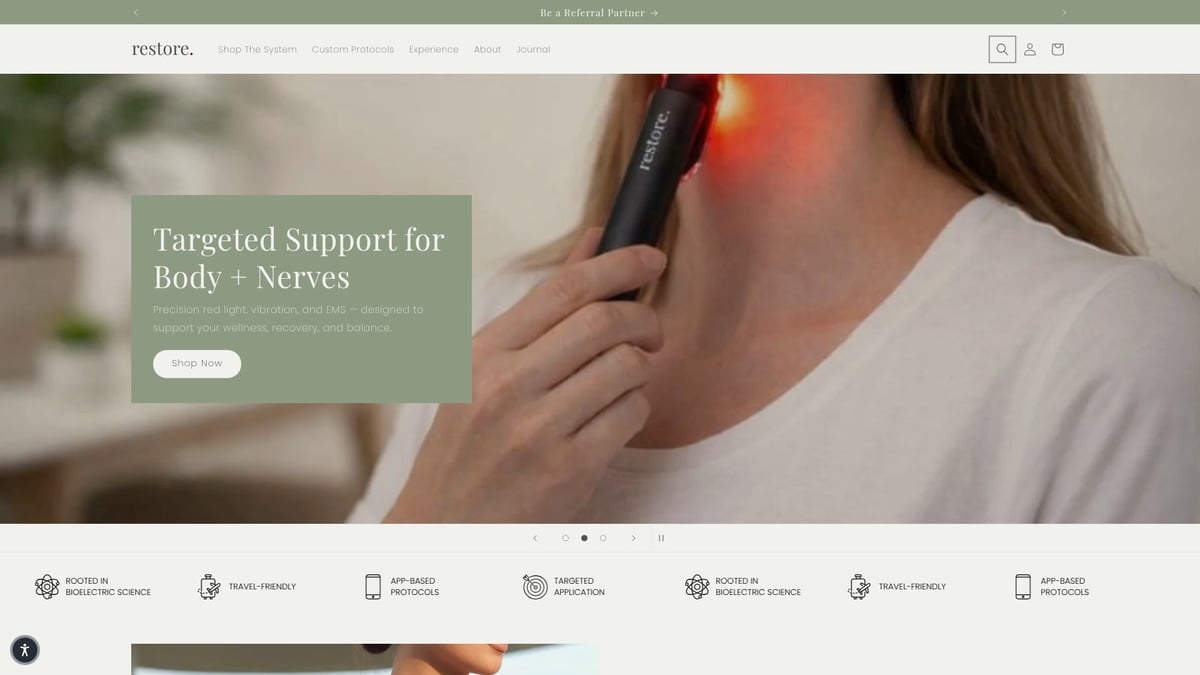
Sessions last under 10 minutes daily and combine red light, vibration, and EMS for a comprehensive approach. Personalized care plans ensure effective dosing, particularly for those with heightened sensitivity. Lightweight, portable designs make it easy to integrate these light therapies into daily routines at home or on the go, supporting nerve health and recovery.
Conclusion
The real danger of red light therapy is not the technology—it’s misunderstanding how biology responds to light.
Like vitamins, exercise, or sunlight, red light therapy works best within a defined range. More is not safer. More is not better.
As science continues to guide best practices into 2026, the future of red light therapy lies in:
- Precision
- Dosage discipline
- Respect for biological limits
Used thoughtfully, red light therapy remains one of the safest and most promising tools in modern wellness.